

Skills Required for Forex Trading
Written by
| Reviewed by Abdul Latheef K
Last updated on
March 13, 2026
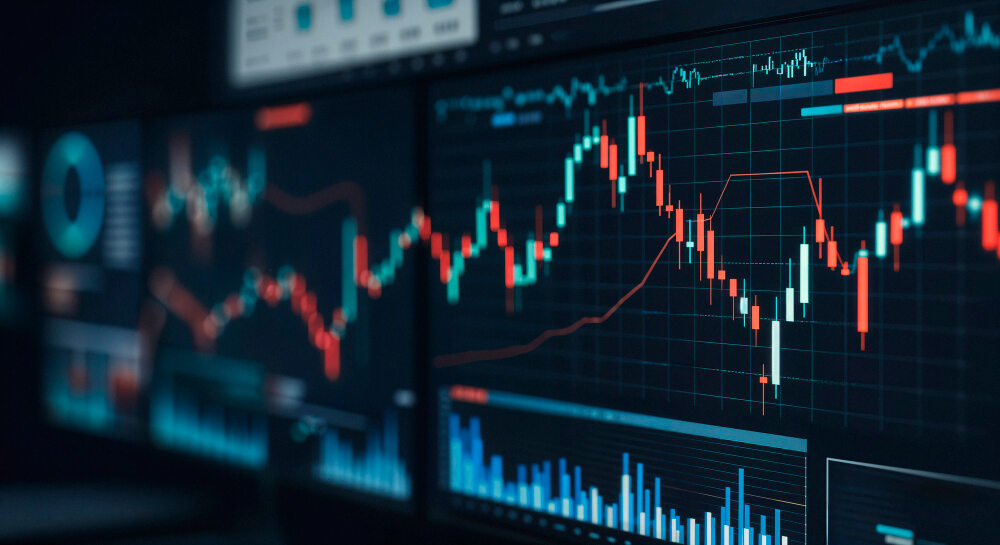
Forex trading skills are the abilities traders develop to analyse the market, manage risk, and control emotions in an environment where prices can change in seconds. These skills can help you move from guesswork to a more disciplined decision-making process, without removing the uncertainty and risk inherent in forex markets.
That’s why this guide focuses on the skills required for forex trading. Here, you will get to know why skills matter more than tips in forex trading. Similarly, we will discuss some important skills and their benefits, as well as provide tips on how to develop these skills.
Let’s explore the skills that can help you trade more consistently in your process and become a successful forex trader.
sec2
Why skills matter more than tips in forex trading
Chasing the quick trading tips might seem tempting and beneficial in the forex market. However, tips are mostly context-free. They do not help you understand the depths and concepts of FX trades.
So, skills matter, as they help understand the trading concept behind the setup, the role of leverage, or what happens when market volatility spikes.
Moreover, the skills for forex trading enable you to develop a trading system and implement it on actual trading platforms such as MetaTrader 4 (MT4) and MetaTrader 5 (MT5) with your online forex trading broker.
You get to interpret market actions, assess trend conditions, spot patterns (e.g., double top, head and shoulders), and apply technical tools with a clear purpose.
Fundamental analysis focuses on macro factors, like inflation (CPI), jobs data, GDP, and central bank policy, that can influence currency valuations and volatility.
Why skills beat tips:
sec2
8 Skills required for forex trading
More than guesswork, mastering forex skills is important in forex trading. This helps separate random participation from long-term successful forex performance. So, learning trading skills is essential before you start forex trading.
This section will offer a roadmap for the skills that help individuals trade in the forex market with structure, discipline, and consistency.
1. Risk management
Risk management is one of the most important forex trading skills every trader should know.
If you consider forex trading as a game, risk management would be the rulebook that keeps it alive. Even the strongest trading technique might fail if risk is not properly managed.
Here are some of the risk management strategies.
2. Planning
Everyone in forex trading should have a proper trading plan. Emotions and other external factors can easily influence a trader without a plan.
Here are some points you should clarify while making a trading plan:
Clarifying these points and developing a clear trading plan is essential. An absence of a plan can lead to emotions like fear, greed, euphoria, and revenge trading over your rational decisions.
3. Market analysis
Forex trading includes different types of market analysis. These various analyses help traders analyse the market based on their trading strategy, geopolitical events, and multiple other factors.
Technical analysis
Technical analysis involves studying forex charts to identify potential opportunities with a probabilistic edge.
Key skills include:
Fundamental Analysis
Fundamental analysis is concerned with macro forces driving the behaviour of individual currencies.
These inputs can influence USD pricing, especially when the data differs from market expectations and affects interest-rate outlook, risk sentiment, and positioning.
Blending Technical and Fundamental Analysis
A simple method to blend these two different analyses is:
4. Trading psychology
One of the major reasons that leads traders to lose is their emotions. So, your mindset has an important role in deciding your results.
Some common emotional traps are:
Some tips to counter these traps are as follows:
5. Anticipation
Preparing in advance helps you define and limit potential losses, even when markets move unexpectedly.
Before initiating a trade, ask yourself the following questions:
6. Execution
Understanding the basics, improving financial knowledge, and knowing the plan alone might not be enough. You should also be capable of executing your plans and strategies.
7. Continuous learning and adaptability
The FX market is dynamic because of the changing nature of the global environment. Some strategies may need adjustment, and some others might stop working, based on the changes in the market conditions. So, ongoing evaluation is important.
Use a loop of:
“Review → refine → repeat”
The habit of continued learning helps you adapt and improve your chances of performing better in the long term. Using backtesting, replays, and credible educational resources can also help improve trades.
8. Broker and platform literacy
You must understand the environment you trade in. Check how your forex broker handles the following factors:
Other points to remember include:
Note: Various licensed forex brokers like Zyvest Capital not only help trade in the forex market, but they also offer knowledge on forex basics, trading psychology, developing strategies, risk management, and more. Utilise these resources, as they can support your learning process, though success ultimately depends on your own discipline, practice, and risk management.
sec2
How to build these skills
In the last section, we had a detailed discussion on the various forex trading skills. Now let’s analyse how you can build them. First of all, learning forex skills is all about understanding the basics, practising one system, managing risk, and constantly reviewing.
The details are as follows:
1. Learn the foundation
Use structured forex education to understand the foreign exchange market, how currency pairs work, and the concept of leverage. Set up a demo account with a well-regarded forex broker and familiarise yourself with MT4 / MT5.
2. Master one trading strategy
Choose one straightforward trading strategy and then develop expertise through technical analysis.
3. Add the why with fundamentals
Basic fundamental analysis helps you prepare for scheduled events and reduce the chances of being caught off guard by known sources of volatility.
Track major scheduled releases and central bank decisions relevant to the currencies you trade (for EUR/USD, both the Fed and the ECB matter), and plan around high-volatility windows.
4. Learn risk management
Learn risk management and utilise the tools and facilities.
5. Review the strategy and psychology
Journal every trade to learn from each experience continuously. Discipline yourself in practising patience and emotional control so that fear/greed does not break your plan.
sec4
Conclusion
Forex trading is not about relying on indicators alone. It is about building and improving the skills required for forex trading, the skills that help you survive volatility, think clearly under pressure, and stay consistent in the fast-moving forex market.
In this article, we have discussed the various skills that can help you become a successful forex trader. From risk management, planning, market analysis, and trading psychology to execution, anticipation, and continuous reviewing, we have learnt various essential skills needed in your trading journey.
Although no outcome is guaranteed, learning and refining these skills, coupled with expert guidance and constant learning, can help you improve in the forex market. However, remember, you don’t need to master everything at once. Start small, practice on a demo account to learn execution, then transition carefully to small live trades to experience real psychological pressure, focus on one trading strategy, review your trades, and improve step by step.
Author Info
Uma Nair is a professional content writer with over 3 years of experience and a strong foundation in crafting engaging and informative content across diverse domains. Over the years, she has dealt with various niches, and her growing interest in finance has led her to explore the world of financial writing. As an English Language and Literature postgraduate, her educational background supports her ability to convey complex topics in easy and accessible content. In her free time, she stays updated on industry trends to continually enhance the value of her content.

Reviewed by
Abdul Latheef K is a Researcher at Jawaharlal Nehru University, New Delhi. He is also an Author, Educator, and Expert in personal finance and Investment. His areas of interest comprise the Stock Market, foreign capital flows, and Open Economy Macroeconomics.
Disclaimer:
The information provided on this blog is for general informational and educational purposes only and is not intended as financial, investment, legal, or tax advice. While we strive to ensure accuracy, completeness, and timeliness, the financial world is dynamic, and content may become outdated or subject to change. Always conduct your own research or consult with a qualified financial advisor before making any investment or financial decisions. The authors and publishers of this blog are not liable for any losses or damages arising from the use or reliance on the information presented.
sticky end
Recent Posts

Share this post
Pages
Plans
Legal
Zyvest Capital Prime Ltd (www.zyvest.com) is licensed and regulated by the Financial Services Commission (FSC) of Mauritius as an Investment Dealer (Full Service Dealer, Excluding Underwriting) under Licence No. GB25204874 | Code: SEC-2.1B, issued on 29 August 2025.
Risk Statement : An investment in derivatives may mean investors may lose an amount even greater than their original investment. Anyone wishing to invest in any of the products mentioned in www.zyvest.com should seek their own financial or professional advice. Trading of securities, forex, stock market, commodities, options and futures may not be suitable for everyone and involves the risk of losing part or all of your money. Trading in the financial markets has large potential rewards, but also large potential risk. You must be aware of the risks and be willing to accept them in order to invest in the markets. Don’t invest and trade with money which you can’t afford to lose. Forex Trading are not allowed in some countries, before investing your money, make sure whether your country is allowing this or not.
You are strongly advised to obtain independent financial, legal and tax advice before proceeding with any currency or spot metals trade. Nothing in this site should be read or construed as constituting advice on the part of Zyvest Capital Ltd. or any of its affiliates, directors, officers or employees.
Contracts for Difference (CFDs) are complex financial instruments and come with a high risk of losing money rapidly due to leverage. A significant percentage of retail investor accounts lose money when trading CFDs with providers. You should consider whether you understand how CFDs work and whether you can afford to take the high risk of losing your money.
CFDs are not suitable for all investors. Ensure you fully understand the risks involved and seek independent advice if necessary. Past performance is not a reliable indicator of future results. Please read our full Risk Disclosure Statement, Terms and Conditions, and Privacy Policy before engaging in any trading activity.
Disclaimer : Zyvest Capital Ltd. does not provide services for citizens/residents of the United States, Cuba, Iraq, Myanmar, North Korea, Sudan. The services of Zyvest Capital Ltd. are not intended for distribution to, or use by, any person in any country or jurisdiction where such distribution or use would be contrary to local law or regulation.